Monday, 31 March 2014

Tuesday, 11 March 2014
Conventions of a New Package
Conventions of a New Package
News Package
A news package is the what is used on the news when they cut away from the studio, this is mainly reports that are located off site where the new is happening, this many conventions become a big part off a news package as they all follow simular trates.New packages are the main way new broardcasters deliver long storys in depth. A new package would be filmed with a completely differant crew due to the location not being in the studio with the main anchor, this would suggest that if it live or pre-recored that the news package is a VT to give the audience a more indepth knowlage of the subject being mention.
Field Reporter
Link to Studio

Mode of Address to Viewer

Interviewing Experts and Witnesses

Report Structure

Actuality Footage
Actuality Footage is the footage that is taken live from an event, most of the time this would be recorded by unprofessional people who are bystanders of the situation. The quality of the footage usually lacks techniques and clearly is not done by a news team. This strangely is a positive for news stations as it has a huge effect on the way the audience reacts when a tragic story is being reported. This is because it allows the audience to feel more involved and close to the story itself even if their own lives has not been effect by it. By creating a deeper emotional impact towards the audience the news station would be able to make bigger situations more dramatic and meaningful. Another reason they use actuality footage is because it is literally impossible to capture the footage themselves. Because of spontaneous moments only people who where at the location of the situation when it happened, would be the only people who could have a chance to record it, making impossible footage obtainable to show to the mass public.Example 1:
Field Reporters
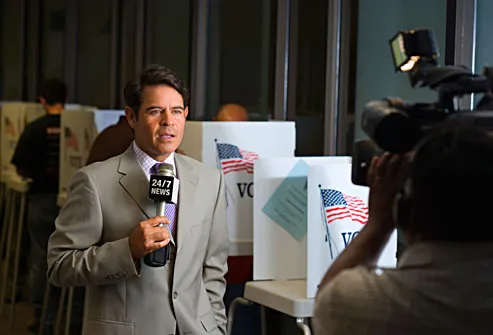
In this news package, there is not much footage where the field reporter is shown. This is mainly due to the tragedy of the situation, and therefore footage of the event would be more important to capture for an early report on the disaster. But the field report still follows the conventions typically used. There is one field report during the full news package, shown at 4:12 to 4:35, where the reporter stands in front of a crowd of people who are trying to get a bus home during the destruction. They use this background as it is completely relevant for what he is reporting. A field reporter would usually contain the topic of the news behind them, as he was talking about how the people are stuck due to delays and cancelations of trains and buses. Behind him, you see many people stuck around a bus stop and a train station when panned right at 4:25. The reason the background reflexes the story is so that it has more of a direct impact onto the audience and emphasises more on what is being said, when the report speaks about the train being suspended at 4:23, the camera pans to the train station with the reporter shortly following back in to place of the camera with the new backdrop it sight, giving the reality of the situation due to visible proof. The reporter is dressed suited for the situation. He is wearing a shirt and trousers like the majority of news reporters wear, showing that he is suitable to deliver information to the audience. The major difference about him to anchors in the studio is that he is wearing a puffer jacket. The reason for this is to make him best suited for the environment for his own safety and comfort. Because it is the middle of the night, clearly shown at 4:17 with the night sky in the top left side of the screen, it would be very cold outside, therefore he would need to wear a coat to keep warm. No graphics where used to introduce the field reporter as it was not a major concern of the time due the urgency of story, but the woman who does the voice over introduces him before he is shown on screen at 4:06. The reporter seems rather detached from the story even though they are located in the event. This is because of his mode of address. He is clearly from a British heritage and is a white middle class man. He does not look exactly fit in with the rest of the population there, as they are Japanese citizens. This would not majorly effect the report's strength and would possibly improve the quality to some degree, as it would be an unbiased report due to the reporter not having any personal connection to the disaster.
Link to studio
The communication between the anchor in the audio and the field reporter is made though the use of being signed on with a description of what the field reporter is about to talk about. At 4:06 the anchor in the studio who is doing the voice over says, " The BBC's Tokyo's correspondent, Roland Buerk, witnessed their desperation." This allows the audience to understand what the field reporter is about to talk about, which is clearly the desperation of the citizens during the disaster. Most commonly the footage in a link to studio would be live but in some cases this is not possible, such as this one. the reason they use live footage is so the studio can ask the reporter on show about the situation as the News station deems fit. but because of the sudden event, the footage had to be filmed ever so slightly ahead to allow real time footage of in the location the problem was happening. They put the reporter in the crowd of Tokyo so that the realism of the situation would be put across to the audience in a much more direct way, instead of just hearing the news. While the report went on the camera remained as a long mid shot, where the camera shows the reporter body from the head down to the waist. This is done deliberately so that the audience and witness all the major expression the reporter may use, such as hand gestures and facial expressions. The link to studio segments are often rather short due to them cutting straight to the point of the story, giving the news more time to expand on the rest of the story, the video above's link to studio only lasts a total of 23 seconds between 4:12 and 4:35.
Mode of Address to Viewer
The mode of address from the presenter is critical to how effective the new report will be. As this is a BBC new report the presenter has to have a clear British tone of voice with well spoken english, preferably a accent that is not directed at a specific part of Britain. The reason of the presenter had to have this tone of voice, even though the report is about Japan, is because the audience watching the report would be from a british heritage, making it easier for the viewer to understand what the presenter is saying, as well as making it more relatable for the viewer to the presenter. At 0:55 the presenter uses simple language complexity. The reason the presenter uses such simple words such as shook and trapped, is because the story is a very serious topic, making it a priority to give the audience a good knowledge of the situation. The presenter on this report is only a fact provider, therefore making her less connected to the story herself, boosting the chance that she will not be bias because she has no personal connect to the disaster. She is shown as a fact provide though the whole of the report, such as at 1:36 where the building is consumed by the tsunami, the presenter literally reporting what is being shown on the screen. This is because the report must be simple so the majority of viewer will find it easy to follow.
Report Structure
The report structure of this news package is made up of only a few main conventions, such as; a lot of actuality footage with facts reported over it by the presenter, such as at 3:00 where the presenter mentions what is happening on screen of a Japanese news report. This is done so that the audience would be able to understand the urgency of the situation as they can get real footage of the disaster. This is important for tragedy story such as this, as it make the structure of the report become serious and to the point as it would need to be for a latest news report story. Due to it being a latest news report, interviews are not yet possible for to obtain with ease or usefulness as their is nobody who would be worth the news team time to interview, and Vox pops would be time consuming as all the interviews would have to be translated so that the British audience could understand the Japanese citizens. Once again the field reporter is only shown once during the news report due to the actuality footage being the main focus of the story, with a bit of archive footage. The piece to camera used was to see how citizens who are trying to travel home from Tokyo are coping, shown at 4:12, and even then it is a short, straight to the point lecture. Cut aways are used though the graphics to detach the story from each over such as at 1:20 where they show a title stating the next section is about the tsunami as well as a picture in the background. This makes the report structure much neater and easy to follow for the viewer. Other reasons cut aways would be used is to cover up jumps in a interview but there where no interviews in this news report.
Actuality Footage
In the BBC report about the earthquake and tsunami in Japan uses a lot of actuality footage that is either filmed from the local residents during the disaster or the Japanese news teams. They use the footage that is from the countries citizens instead of the BBC's footage because firstly they just could not capture the live action inside buildings and streets due to the event being unexpected. At the start of the video at 0:08, actuality footage is used where they have taken footage from a local bystander that was recording the disaster. The actual footage is really badly recorded as it is constantly shaking and blurring the footage, also shown at 0:32 . This was not a big deal when it came to using the footage as it makes the recording feel more real and compelled to the audience because the use of the core emotion that the citizens in the footage are dealing with, the audience gain a more inside look from the citizens point of view, therefor making the story more compelling. Using the Archive footage of the Japaneses citizens will make the audience feel more compelled to the story due to the footage looking unprofessional and therefor the footage looks more real and touching. Because the situation is very serious and important to get across to the audience how bad it really was, actuality footage is critical to have plenty of as it will allow the audience to embraces the tragedy. During the 2nd hand Archive actuality footage, the presenter speaks over the footage explaining what is happening in the footage, such as at 1:41, where the woman who is doing the voice over explains what the images from Japanese TV mean. The reason they do this is because it allows the audience to make more understanding of the situation on the screen, as it is not the BBC footage, instead they used the Japanese TV footage which therefore would become confusing for a lot of the english speaking residents in the UK. The majority of this news report is made up for Actuality footage and archive footage as it would be impossible for the BBC to capture all the footage shown as they where not expecting the disaster to strike and most likely did not have permission to from Japan to use their helicopters to report the news.
Example 2:
Interviewing Experts and Witnesses
Graphics are used in interviews to label the interviewee with the relevant title that fits the story. For example at 3:20 a man starts to explain how successful the train transport has became. He is labeled as in the graphics with his name and then the job title of Spain's Railway Operator, which is relevant to this news report as it is about the revolution of trains. The reason the graphics are important in interviews such as this is so the audience knows that the information being obtained is from either a every day citizen or an expert in the field, such as this interview. By Gomez-Pomar being an expert makes him much more reliable for information about the topic but also slightly bias as he is promoting his own companies success. Due to the counteracting effects of reliability and information, the audience can make their own opinion on the interview. Cut aways are used for the editor to stitch together bits of interviews so that the report only contains relevant information. this is clearly shown later in this interview at 3:42 as the discussion is still on the same topic but jumps to a different point as a cut away to a train is put in so the footage of the interview does not suddenly jump, making the footage look much nicer and run smooth without any rough cuts. The location of the interviews are often made to fit the topic being talked about but are not usually a big impact on the story itself, as at 3:22 you can see the railway operator is on a train platform with a train behind him, setting the sense of the topic, creating a slightly bigger impact on the story. But at 1:26 you can see that the location of the interview does not fit the charter or the topic as it is clearly set in a local park, but they are discussing trains and his job role is being a professor of a London collage. This does not take away any emotion from the report and therefore proves that the location does not make much of an impact but is usually somewhere private where they do not get disturbed.
Tuesday, 25 February 2014
12 sub genres of Factual Television, Codes and Conventions
Docu Drama
Docu Darama's are documentrys that are based on a true event. The documentary would not be a re-enactment but may contain real footage of the event it is about. Due to the documentary not being a re-enactment the narrative of the story will not be 100% fact but will not distort the truth massively.

Examples Of Docu drama's are:

Examples Of Docu drama's are:
- Titanic (1997 Film)

- 127 hours (Film)
- Grizzly Man
The Grizzly Man is a fantastic example of a docu drama about a man who spend several months with wild bears, he was filming his own wildlife documentary about grizzly bears but parish during the time he is recording. The documentary contains a lot of real footage of the man that he recored before he died. The rest of the documentary is mainly interviews to people who knew Timothy Treadwell.
Doco drama's keep the specific conventions such presenting real footage when possible. This docu drama start with real footage 0:19. This allows the viewer to know that the documentary is a true story, and gives them a first impression to what the documentary is about, in this case Timothy, The grizzly man. Most of the footage is shot with steady hands or a tripod. This is mainly because the footage is interviews that would be shot in only one angle as the main reason of the interview is for information, not to make the film look interesting. This is shown well at 17:59 where an interview with the helicopter pilot is shot in only a few different angels. To prevent the footage from being tedious and boring they use cut away, shown at 18:12, where it shows you real pictures of the situation. The lighting and sound of the documentary is very natural to the environment they are in. for example at 27:33 the lighting of the room is just the natural light from outside coming though the window as well as the lights that are turned on in the room. the sound on the other hand is very quite presides the actual discussion taking place. this is most likely due to them filming the interview in a quite location. But during the Diary footage of Timothy, although the lighting is the same as it is natural lighting, but the sound does not block out any sound that is in the background. shown at 26:37 where a fox steals his hat, there is a lot of rustling as well as hearing him talk. this gives off the effect that it is genially real footage and is not staged, the camera being hand held at this moment also enhances this effect.
Docu Soap
A docu soap is a documentary series about real life people from the everyday society. The show will follow a fixed theme which all the participants are relateable. This is done for the soul purpose of creating entertainment, drama as well as giving us a look at what life is like for them.
Examples Of Docu Soap's are;

 Catfish is a show where a MTV presenter helps everyday people meet the person they have been dating online to find out if they are who they say they are online. The presenter helps a different person each week who wants to track down their partner.
Living without laws is a documentary that follows the life of a few people who live where law does not take much effect. The documentary follows a number of charters stores about life where they live.
Tough young teachers is a TV docu soup about how hard it is to start as a teacher, it follows the school life of a couple of new teachers and though out the series you witness the progression or downfall of the teachers. The series starts off a montage of what is to come though out the shows length with a voice over narrator who has a clear british male voice. The reason they use this montage is to show what is to come in the show and makes the audience eager to understand why the new teachers and students are reacting they way they are in the montage. for example the audience would like to know at 0:21 why the boy is under the table and why the new teacher cannot get him out. During this montage they also use interviews from the show where the teachers talk about their experience, giving the audience an inside look how they feel it is coping. The majority of footage is hand held unless in an interview. This shows that the footage is legit and gives off a sense of explorations to the viewer as they are getting the vision of a observer on the class, reducing bias siding with either the new teacher or the students. The lighting of the show is fully natural that adds to the realistic footage in addition the background sound also captures noise which is not a part of the situation on camera as the footage is not acted. The music used in cut sense are quite serious yet calm to give off the effect that everything is running smoothly so far but the job is steal hard work and stressful, so they are at the top of their game to keep up the good start. At 21:00 you see that one of the new teachers are talking to the Deputy Head about what he should be doing during brake time monitoring. This is a small interview with an expert that these shows would show to give a deeper and more reliable understanding of the situation the person is going though.
Examples Of Docu Soap's are;
- Catfish (MTV Show)

 Catfish is a show where a MTV presenter helps everyday people meet the person they have been dating online to find out if they are who they say they are online. The presenter helps a different person each week who wants to track down their partner.
- Living Without Laws: Slab City, USA (Vice Documentary)
Living without laws is a documentary that follows the life of a few people who live where law does not take much effect. The documentary follows a number of charters stores about life where they live.
- Tough Young Teachers
Tough young teachers is a TV docu soup about how hard it is to start as a teacher, it follows the school life of a couple of new teachers and though out the series you witness the progression or downfall of the teachers. The series starts off a montage of what is to come though out the shows length with a voice over narrator who has a clear british male voice. The reason they use this montage is to show what is to come in the show and makes the audience eager to understand why the new teachers and students are reacting they way they are in the montage. for example the audience would like to know at 0:21 why the boy is under the table and why the new teacher cannot get him out. During this montage they also use interviews from the show where the teachers talk about their experience, giving the audience an inside look how they feel it is coping. The majority of footage is hand held unless in an interview. This shows that the footage is legit and gives off a sense of explorations to the viewer as they are getting the vision of a observer on the class, reducing bias siding with either the new teacher or the students. The lighting of the show is fully natural that adds to the realistic footage in addition the background sound also captures noise which is not a part of the situation on camera as the footage is not acted. The music used in cut sense are quite serious yet calm to give off the effect that everything is running smoothly so far but the job is steal hard work and stressful, so they are at the top of their game to keep up the good start. At 21:00 you see that one of the new teachers are talking to the Deputy Head about what he should be doing during brake time monitoring. This is a small interview with an expert that these shows would show to give a deeper and more reliable understanding of the situation the person is going though.
Infotainment
Infotainment are documentaries that include information about usually a specific subject but also try in entertain the audience though segments of the show. Some Infotainments are more about entertainment that the information gained from the show but will still offer information.
Examples Of Infotainment's are;


 Gadget show is a magazine show that spends a lot of the time having fun with gadgets, they keep the reviews they do intellectual but go over the top with the testing such as using a fish tank with fish inside to find how waterproof phones are.
An Idiot Abroad is a television show where a man called Karl travels around the world to visit different cultures. But the purpose of this documentary is not to actually gain interesting and in depth information about the locations and people he meets but to laugh of how stupid he look and act while being on these travels. Ricky Gervais tell us at 01:26 that he wants karl to "hate every moment of it, for my own amusement." proving that the show should not be taken too seriously as it just a "practical joke". A good moment in this episode is at 07:46 where Karl starts having a rather long and ridiculous discussion with a local shop in china where he tries to make the shopkeeper say his name correctly. This lasts until 08:23, This 40second footage gap give no useful or interesting information but is funny, because this moment was funny they kept it into the show as it makes the viewer laugh. In this show most of the camerawork is hand held due to Karl traveling constantly and the footage is more like a video diary (Vlog), that gives the authentic and non scripted effect that the show actually beholds. Because the footage is a Vlog style all the sound and lighting is natural, this makes the footage seem even more legit as additional lighting and removed background noise would make the situation look like it is staged to follow though the way it does. By making the situation look natural the audience will believe that Karl is being fully genuine and is really like this in real life. Karl even brakes the 3rd wall by mentioning at 4:43 that if it is worth having the show filmed in HD. This Once again gives across that Karl being himself during the series, making the facts that are received though Karl or anyone in the show complete true as far as the persons understand goes. To make the show comical the use of experts are unusually ignored by using Karl who has be labeled and 'Idiot', to be the main source of information. This will drastically reduce the reliability of the facts given to the audience and possibly the majority of the audience will not believe the information given, but that is not a problem for a Infotainment show, as it can rely on the entertainment of the show to bring in the viewers.
Examples Of Infotainment's are;
- Mock the Week

Mock the week is a TV discusses show that discusses and makes fun of resent news. They get a few intellectual points across but spends the vast majority of the show making fun of the new and getting sidetracked from the original topic.
- Gadget Show

 Gadget show is a magazine show that spends a lot of the time having fun with gadgets, they keep the reviews they do intellectual but go over the top with the testing such as using a fish tank with fish inside to find how waterproof phones are.
- Idiot Abroad
An Idiot Abroad is a television show where a man called Karl travels around the world to visit different cultures. But the purpose of this documentary is not to actually gain interesting and in depth information about the locations and people he meets but to laugh of how stupid he look and act while being on these travels. Ricky Gervais tell us at 01:26 that he wants karl to "hate every moment of it, for my own amusement." proving that the show should not be taken too seriously as it just a "practical joke". A good moment in this episode is at 07:46 where Karl starts having a rather long and ridiculous discussion with a local shop in china where he tries to make the shopkeeper say his name correctly. This lasts until 08:23, This 40second footage gap give no useful or interesting information but is funny, because this moment was funny they kept it into the show as it makes the viewer laugh. In this show most of the camerawork is hand held due to Karl traveling constantly and the footage is more like a video diary (Vlog), that gives the authentic and non scripted effect that the show actually beholds. Because the footage is a Vlog style all the sound and lighting is natural, this makes the footage seem even more legit as additional lighting and removed background noise would make the situation look like it is staged to follow though the way it does. By making the situation look natural the audience will believe that Karl is being fully genuine and is really like this in real life. Karl even brakes the 3rd wall by mentioning at 4:43 that if it is worth having the show filmed in HD. This Once again gives across that Karl being himself during the series, making the facts that are received though Karl or anyone in the show complete true as far as the persons understand goes. To make the show comical the use of experts are unusually ignored by using Karl who has be labeled and 'Idiot', to be the main source of information. This will drastically reduce the reliability of the facts given to the audience and possibly the majority of the audience will not believe the information given, but that is not a problem for a Infotainment show, as it can rely on the entertainment of the show to bring in the viewers.
Reality TV
Reality TV are shows that follow the "real truthful" lives of people. These are often celebrates or they make minor celebs by basing a reality show about them. These shows do not grant assess to useful information often and are made purely for the amusement of the audience. Sometimes the show contains a competition that one of the participants of the show will win.
Examples Of Reality TV are;


The only way is Essex is a reality TV show that apparently follows the "genuine" lives of a group of essex friends. Their is a lot of controversy with reality TV shows that they are fixed and are at least slightly scripted. This is because Reality TV show use cameras that are always mounted to a tripod which gives the effect that it is filmed in a studio fashion. Although there is background noise it only to set the atmosphere, at 0:00 when the couple walks in the camera tracks them perfectly then after a cut away is in the perfect position to see them be greeted by their friends. This would not be possible to film without planning the scene ahead. And once again at 3:03 there would be no way the camera crew would know one of the older members of the show would come back in a car parking right outside the door. On the other hand the lighting is not change specifically for the even and is set in a normal night club, giving across that it is an authentic situation. They use a lot of close up shot to express the emotion of all the cast members such as at 3:18 to see Lucy's reaction to the text she got from the person in the car, allow the audience to understand that the situation is serious and she not happy about the situation due to her facial expression been very straight. The music is used to contribute the situation that is going on, most of the time there is no music playing unless in the scene due to a night club ext. But at 3:03 when the person in the car shows up, dramatic opera music fades in telling the audience that something bad or dramatic is about to happen. It amplifies the drama of the situation, making a bigger impact on the audience.
Examples Of Reality TV are;
- Honey Boo Boo

Honey Boo Boo is a reality TV show about a strange redneck family where the little girl, honey boo boo, travel around the country doing beauty patents. The show does not end there as they also track her everyday lifestyle and her abnormal family. The show is purely for the audience amusement.
- My Strange Addictions

My strange Addictions is a show series about people who have odd, wacky, and just plain wrong addictions. From drinking human blood to having an emotional relationship with pool floats.
- Only way Essex
The only way is Essex is a reality TV show that apparently follows the "genuine" lives of a group of essex friends. Their is a lot of controversy with reality TV shows that they are fixed and are at least slightly scripted. This is because Reality TV show use cameras that are always mounted to a tripod which gives the effect that it is filmed in a studio fashion. Although there is background noise it only to set the atmosphere, at 0:00 when the couple walks in the camera tracks them perfectly then after a cut away is in the perfect position to see them be greeted by their friends. This would not be possible to film without planning the scene ahead. And once again at 3:03 there would be no way the camera crew would know one of the older members of the show would come back in a car parking right outside the door. On the other hand the lighting is not change specifically for the even and is set in a normal night club, giving across that it is an authentic situation. They use a lot of close up shot to express the emotion of all the cast members such as at 3:18 to see Lucy's reaction to the text she got from the person in the car, allow the audience to understand that the situation is serious and she not happy about the situation due to her facial expression been very straight. The music is used to contribute the situation that is going on, most of the time there is no music playing unless in the scene due to a night club ext. But at 3:03 when the person in the car shows up, dramatic opera music fades in telling the audience that something bad or dramatic is about to happen. It amplifies the drama of the situation, making a bigger impact on the audience.
Educational Television
Educational Television focuses on getting across useful information to people. this ranges though all types of information, but the key point of the show is to educated the audience in one topic such as, manors, how to cook, what is actually going on in the world. Educational television is commonly used for children to teach morals and simple skills like observation and listening.
Examples Of Educational Television are;


Jamie Oliver's show about quick, easy and cheap meal that anybody can cook is a great example of a educational television documentary. The camera language is used very professional thought the video and pays special attention to the food as it is the focus of the show. When explaining how to cook the food the camera focus on the method he is explaining using close ups, clearly shown at 2:13 where he pushing the time down the stem to take it off. Jamie Oliver is a very famous professional British cook that gives the audience a good reason to listen to his instructions as cooking is his skill. Most people would not trust the cooking style if told by an unknown person who is not even in the cooking busy as they don't stand as high on the hierarchy chart. The show could be seen slightly bias as the cook is commenting on his own recipes stating that they are wonderful and delusions mentioned at 0:03. This would usually make people not fully trust the show or be unsatisfied when trying the recipe themselves, but as Jamie Oliver is an expert in the cooking field, the bias opinion of his is overlooked because people would expect him to know what he is doing. There are two cameras used to film this to give live jump cuts between them to capture the best footage and actions from a left or right side view. Both of the cameras are hand held as you can see when the right camera zooms out in a wobbly manor at 3:43, and the left camera shakes a fair amount too, shown at 5:00. The reason they use hand held camera is because it easier to move around if something unexpected happens and gives the audience a sense of authentic quality. Jamie Oliver does not look special, he looks like an every day british man, this gives the audience connection to him and makes them more compelled to try out his recipe as they see him as one of them.
Examples Of Educational Television are;
- Nick Jr.

Nick Jr. is a Tv channel that shows lots small episodes of cartoon where the audience learns basic skills such as observation, maths and morals. This channel is aim for small children and would only appeal to them due to the simplistic dialogue involved.
- BBC Panorama

BBC Panorama make documentaries that educated people of the major events that are happening around the world, as the news would as well as smaller topics such as what school life is like in other countries such as Korea.
- Jamie's Ministry of Food
Jamie Oliver's show about quick, easy and cheap meal that anybody can cook is a great example of a educational television documentary. The camera language is used very professional thought the video and pays special attention to the food as it is the focus of the show. When explaining how to cook the food the camera focus on the method he is explaining using close ups, clearly shown at 2:13 where he pushing the time down the stem to take it off. Jamie Oliver is a very famous professional British cook that gives the audience a good reason to listen to his instructions as cooking is his skill. Most people would not trust the cooking style if told by an unknown person who is not even in the cooking busy as they don't stand as high on the hierarchy chart. The show could be seen slightly bias as the cook is commenting on his own recipes stating that they are wonderful and delusions mentioned at 0:03. This would usually make people not fully trust the show or be unsatisfied when trying the recipe themselves, but as Jamie Oliver is an expert in the cooking field, the bias opinion of his is overlooked because people would expect him to know what he is doing. There are two cameras used to film this to give live jump cuts between them to capture the best footage and actions from a left or right side view. Both of the cameras are hand held as you can see when the right camera zooms out in a wobbly manor at 3:43, and the left camera shakes a fair amount too, shown at 5:00. The reason they use hand held camera is because it easier to move around if something unexpected happens and gives the audience a sense of authentic quality. Jamie Oliver does not look special, he looks like an every day british man, this gives the audience connection to him and makes them more compelled to try out his recipe as they see him as one of them.
Wildlife Documentary
Wildlife documentaries are shows that are about animals, plants and the environment. It focuses on any topic that is not human based, although it may mention humans due to how we have effected they way the animal lives. These programs are often shown on Television and are put on public broadcasting channels.
Examples Of Wildlife Documentary's are;

Predators at War is a show about multiple African animals in the wild fighting each other to survive in the difficult conditions they are fasting such as droit, lack of territory and other problems. The documentary cuts between the animals to track the progression they go though over a couple of months. At 0:39:47 the music is ominous creating the atmosphere and emotion that something bad has happened or something going to go wrong for the wild animals, in this case it was lack of rain water. They use the music in wildlife documentaries to create a sense of emotion for the audience to feel while watching. The Narrator of the documentary is an expert in the field of wildlife and knows a lot about what Hyenas, Cheaters and Lions need to survive. This makes the audience trust the facts that the narrator is saying due to them being an expert in the field and has a greater knowledge about these animals than the average person. The camera language is mostly professional but constantly tracks the animals once the narrative focuses on them. Most filming from Wildlife documentaries takes a lot of time to get only a small segment and is usually filmed from a safe distance away. This would result in a fair amount of distorted editing as not all the shots will link into each other smoothly, just like at 0:27:30, they use fades to make the scene into a small montage as it would be hard to compute all the footage to flow, this montage does run in order. The lighting and sound on this documentary varies depending on the segment of the show. When it is watching the wildlife it often has no background music and you can hear the background sound other than just the animal and the narrator, 0:53:23 you see and hear the hyena but the narrator is slightly louder, this still allows the footage and atmosphere of the documentary to stay with the audience while viewing the show as it create a sense of illusion that they are their because they can hear what is their perfectly. The only reason the narrators voice is slightly louder is to be able to explain what is going on clearly, therefore getting the information across to the audience effectively.- Spain's Last Lynx

The documentary Spain's Last Lynx is a wildlife tracking story where the audience follows the paths of the a few Lynxes journey along their habitats, trying to stay alive. This gives the audience an inside look of the life of this endangered species.
- Penguins of the Antarctic
- Penguins of the antarctic is a documentary about how penguins live in the antarctic, and also how they are servicing though the melting of the ice. It follows multiple story lines of main events of a penguins life such as mating season.
- Predators at War
Special Interest Documentary
special interest documentaries are often one off shows, that focus on a topic that would only appeal to a very niche audience. Usually these would be aired on a small broadcasting network on Television or posted online.
Examples Of Docu drama's are;


 Frag made a documentary showing the timeline of how Pro-gaming became and how it has developed over time. It shows how the introduction of multiplayer games has vastly escalated and improved the life of hardcore gamers and how they make money by just being good at a game.
Bungie is a gaming company the produced one of the biggest games to ever hit the market, Halo. This documentary is a inside look on how the company was founded, and how it grew into what it is today, following the history of the company. This documentary would not appeal to most people and only gamer or fan of the company. The language they use during the entire documentary is spoken in a technical quality that only people who knew a fair amount about games wound understand, although the common person could understand some of the documentary without any issues. an example of this would be at 3:50 where they discuss a few games bungie made, especially Myth, which was a big success due to how it change how RTS, (real time strategy) game where played. Most non-gamers would not understand what is meant by shortened terms like RTS. The documentary uses archive footage to present moments in the past and gameplay of the games they are talking about to give the audience a sense of relation to what the person is talking about, as they can physically see what they are talking about. They use music from the games Bungie have created as it is a relevant soundtrack to use, and it links the documentary even more with the company. When they play the theme of Halo at the start of the documentry at 0:00 the fans already know they are going to mention halo without anybody saying anything about halo, this keeps the hard core fans hooked to the documentary. The use of Archive footage is done to give proof and a inside look of what the company was really like back when it started out. This is shown though out the documentary for example, 11:47 shows the Bungie team testing there game mechanics, allowing the audience to understand what conditions they where in as well as proof that these people are the actually people who made Halo. The use of interviews are from people who where in close development with bungie or a part of the one of the games. This once again gives the audience an inside look at what a cast members experience was like, shown at 17:35 where the voice actor of Cortana is interviewed about how she auditioned for the role and how she managed to get it. The interviews with the game developers such as Mach Russell at 22:29 mentioning how amazing it was to finally get multiplayer to work. These interviews allow the audience to gain an understanding how the company felt at certain breakthroughs and milestone.
- Carthage : the roman Holocaust

Carthage : the roman holocaust follows the story of back in the roman era where Carthage was destroyed, killing plenty of people. It visits location where events happened hundreds of years ago while explaining what happend.
- Frag Documentary - History of pro-gaming
 Frag made a documentary showing the timeline of how Pro-gaming became and how it has developed over time. It shows how the introduction of multiplayer games has vastly escalated and improved the life of hardcore gamers and how they make money by just being good at a game.
- Bungie Documentry : O brave New world
Bungie is a gaming company the produced one of the biggest games to ever hit the market, Halo. This documentary is a inside look on how the company was founded, and how it grew into what it is today, following the history of the company. This documentary would not appeal to most people and only gamer or fan of the company. The language they use during the entire documentary is spoken in a technical quality that only people who knew a fair amount about games wound understand, although the common person could understand some of the documentary without any issues. an example of this would be at 3:50 where they discuss a few games bungie made, especially Myth, which was a big success due to how it change how RTS, (real time strategy) game where played. Most non-gamers would not understand what is meant by shortened terms like RTS. The documentary uses archive footage to present moments in the past and gameplay of the games they are talking about to give the audience a sense of relation to what the person is talking about, as they can physically see what they are talking about. They use music from the games Bungie have created as it is a relevant soundtrack to use, and it links the documentary even more with the company. When they play the theme of Halo at the start of the documentry at 0:00 the fans already know they are going to mention halo without anybody saying anything about halo, this keeps the hard core fans hooked to the documentary. The use of Archive footage is done to give proof and a inside look of what the company was really like back when it started out. This is shown though out the documentary for example, 11:47 shows the Bungie team testing there game mechanics, allowing the audience to understand what conditions they where in as well as proof that these people are the actually people who made Halo. The use of interviews are from people who where in close development with bungie or a part of the one of the games. This once again gives the audience an inside look at what a cast members experience was like, shown at 17:35 where the voice actor of Cortana is interviewed about how she auditioned for the role and how she managed to get it. The interviews with the game developers such as Mach Russell at 22:29 mentioning how amazing it was to finally get multiplayer to work. These interviews allow the audience to gain an understanding how the company felt at certain breakthroughs and milestone.
Make Over Show
Make over shows are a branch from the reality TV genre where the people in the show's lives are changed though the period of the series, but usually episode to improve their live. It also can be educational to the audience as it can show them how to improve their own lives.
Examples Of Make Over Show's are;


- Snog Marry avoid

Snog Marry Avoid is a BBC three show where people are transformed in their appearance by taking off make up and assures to make them more desirable to the public. Finding out the before and after effects by getting rated with either snog marry or avoid.
- super size Vs super skinny

Super size Vs Super skinny is a show where two people on the opposite ends of the health scale are both in dangerous territory for completely opposite reasons so they find out what life is like for the other people, eating wise, and learn how to sort out their weight issues.
- Extreme makeover home edition
Extreme makeover Home Addition is a show where a group of construction workers help people who have made an inspirational mark on local society and is leaving in a poorly kept together house. The team set out to make the family’s life better by reconstructing a fantasy-like house for the family while they are sent away to an amazing holiday for a week. The show starts off explaining the background of the person who they are doing the renovation for to allow the audience to connect and understand the situation; it explains why this person is special and why the team wants to help. After this they emphasise on the livening conditions of the family by cutting to many shots oh how their house look. This is to entice the audience to see how the house is transformed at the end of the show. By focusing on the details using close up like at 17:26 it forces onto the audience the before and after effect of the renovation to show how much better the makeover was. This is shown when the house is finished at the end of the show as they use fading transitions to show before and after pans of the house, show clearly at 1:04:42. The lighting and camera language looks rather professional due to the camera focusing on certain parts of construction at any given time instead of the camera waving around trying to capture everything. They use a lot of close up to show detail into the making and final product. It clearly shown at 1:17:36 when the father enters the Packhouse 2000 as the camera cuts to do a professional view of the room with a slow pan around it, this would be done to show the detail and capture the beauty they were trying to create, although at time the camera is clearly hand held as it follows the host taking a tour of how the construction so going. The lighting of the show is fairly natural but does look like they add filters when doing a tour of the final house to add to the stunning aesthetics of their hard work.
Discussion
Discussion shows are documentaries where a studio panel share, discuss and debate topics. Often there would be a live audience that would get involved and is if not always shot inside a studio. Commonly they would put people of opposite views on the panel to strike arguments and debates.
Examples Of Discussion 's are;


Real time with Bill Maher is a discussion show in america about resent events that are happening in the work at that moment in time. This episode is about 9/11 and how people are blaming each other for the tragic situation. The show has a very serious tone and is set inside of a studio with a live audience. The guest on the show are experts from different degrees, from a member of the Islamic Institute and an author than believe that the US is being bias on how they report terrorism. This is done purposely to create arguments and debates between the guests and presenter, this keeps the discussion active, interesting and less bias as we get more than one opinion with a fairly good reason why they are stating their point. This makes Discussion shows a very intellectual and informational show to watch to gain knowledge about serious situations. You can see an argument between two of the guests at 2:05 where the female makes a point how there is only propaganda on one side, the blond haired male steps in disagreeing. The camera language is commonly mid shots as it allows body and facial expressions to be captured, emphasizing the emotion and points the members of the pole are putting across. The lighting in the studio has no special effects and is used purely for the effect of letting the viewer see the host and guest, in the background you can see the audience but you don't get to see them clearly as it is darker, this is done so you focus more on the facts and opinions of the experts and do not get distracted by the less relevant public audience. The facts of the discussion are given out though the debate of the discussion as each cast member fights to get their personal side across, this would create huge bias information alone, but because their are other people counteracting the point just given, shown at 0:48 where Bill Maher interrupts explaining on a neutral stance to counteract the bias view of the pervious speaker. By having the controversy it allows the adueicne to make up their own decision which side they are on and what they think is right by collectively using information from all sides of the debate.
- Question Time

Question time is a Discussion show where experts in important topics in the Uk politics and solitary are discussed between the experts as well as allow the public to get their word in.
- Room 101
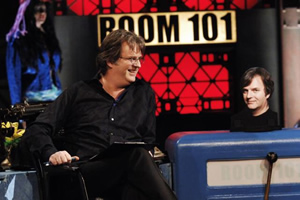
Room 101 is a show where minor celebrates come onto a show to discuss annoying and terrible things that should be removed from sociality and the world in genial by putting it in room 101.
- Real time with bill maher
Real time with Bill Maher is a discussion show in america about resent events that are happening in the work at that moment in time. This episode is about 9/11 and how people are blaming each other for the tragic situation. The show has a very serious tone and is set inside of a studio with a live audience. The guest on the show are experts from different degrees, from a member of the Islamic Institute and an author than believe that the US is being bias on how they report terrorism. This is done purposely to create arguments and debates between the guests and presenter, this keeps the discussion active, interesting and less bias as we get more than one opinion with a fairly good reason why they are stating their point. This makes Discussion shows a very intellectual and informational show to watch to gain knowledge about serious situations. You can see an argument between two of the guests at 2:05 where the female makes a point how there is only propaganda on one side, the blond haired male steps in disagreeing. The camera language is commonly mid shots as it allows body and facial expressions to be captured, emphasizing the emotion and points the members of the pole are putting across. The lighting in the studio has no special effects and is used purely for the effect of letting the viewer see the host and guest, in the background you can see the audience but you don't get to see them clearly as it is darker, this is done so you focus more on the facts and opinions of the experts and do not get distracted by the less relevant public audience. The facts of the discussion are given out though the debate of the discussion as each cast member fights to get their personal side across, this would create huge bias information alone, but because their are other people counteracting the point just given, shown at 0:48 where Bill Maher interrupts explaining on a neutral stance to counteract the bias view of the pervious speaker. By having the controversy it allows the adueicne to make up their own decision which side they are on and what they think is right by collectively using information from all sides of the debate.
Review Show
Review shows are shows that analyse products or places within a specific field, for example waterspout equipment. They often do a test on the show to demonstrate the product to the audience.
Examples Of Review Show's are;


- QVC
QVC is a TV channel that makes shows about many different products to see if they are worth the price, and how they actually work.
- WTF is ... (Totalbiscuit Youtube)
WTF is... is a review show on youtube that gives a professional game reviewer opinion on a game by showing his first impressions of the game where he has live voiceover of himself reviewing the game as he plays them. This gives the audience the conclusion to buy or ignore the game.
- Will it Blend
Chat Show
Chat shows are similar to discussion shows but instead of talking about a topic, they often talk about the person who is the guest to the show, this would usually be due to news about a celebrity or to exploit the genial publics life for the soul purpose of entertainment. Commonly chat shows are used to discuss 'everyday' issues.
Examples Of Chat Show's are;


- Alan Carr chatty man
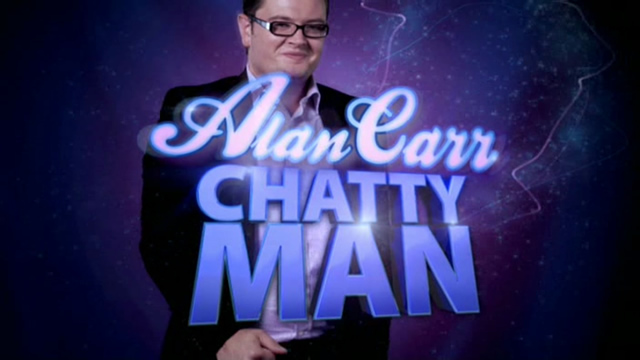
Alan Carr Chatty man is a chat show where Alan Carr talks to celebrates about the latex gossip about them. He tries to get the personal details out of them by using humour and light hearted chatter.
- Backchat

Backchat is a show hosted by Jack Whitehall and his father to give a controversy of young modern and up to date hosting with a charter who is very out of date with the mainstream media. The due interview celebrates about their lives and upcoming events as well adding humour into the show with the controversy of the father and son.
- Jeremy Kyle
Magazine show
Magazine shows are a combination of many sub genres of documentaries as it often uses a chat or review shows as it main genre but has many branched off segments where they introduce other sub genres such as discussions, make over or sometimes special interests.
Examples Of Magazine Show's are;


- Daybreak

Daybreak is a Morning magazine show where it informs the audience of the latest news that includes, Top new reports, local new reports, celebrity gossip and wether. It is hosted inside of a studio and usual has a few guests on that are their to tell their story or to do a live performance. The tone is lighthearted and aimed towards children and mothers as it is on just before typical UK school schedules.
- The One show

The One show is a magazine show that mainly focuses on celebrate news and other news that is lighthearted and entertaining instead of the deep and depressing subjects such as death. They have interviews in the studio as well as using archive footage to show news that has been pre-recored. It is very similar to the new but takes on a much less serious tone.
- Top Gear
Top Gear is a Specialise Manganese show about mainly cars. In this show they do multiple segments which are from different sub genres of documentaries such as review show, chat show and also a small segment of a discussion with the other host of the show. The Location the show is taking place in is usually a studio but Top Gear has their own warehouse which is transformed into a studio so they can have easy access to moving cars around. From the studio they cut to the pre-recorded segments, like the review show at 3:30 where they take the car out on the road to see how it drives and what perks it has. The language the hosts use are more for entertainment as they describe the car basically so anybody could understand, this implements infotainment to the show as the manganese show is more entertaining to watch in relation to the useful information you get out of it. At 20:58 Jeremy has a guest on the show where he talks about the guest and the relationships with cars. After a short interview you see a small contest the guest does at 28:45 where they do a race around a track to see how quick they compare to other guests. The camera language is all professional and uses a lot of close up of the presenters, the cars and the guests. This is used to create the most amount of impulsive and powerful impression of the character or car. The use of music in the magazine show is to emphasise the emotion the car is trying to present it as. During the reviews of one of the cars, very intense, connoting that the car is a powerful and runs smoothly. The presenters are clearly bias on their options on the car as if they do not like the make or they would not give it as nice of a review, but they are experts in the subject so they are still a reliable source of information about the cars.
Subscribe to:
Posts (Atom)